
Green energy
- anyanwuchibueze43
- Mar 19, 2020
- 5 min read
Updated: Jul 17, 2025
Solar energy is a clean, renewable, and abundant energy source that harnesses the power of the sun to generate electricity or heat. It's becoming increasingly important as the world shifts towards more sustainable energy solutions.
Here's a comprehensive look at solar energy:
How Solar Energy Works
Solar technologies convert sunlight into useful forms of energy primarily through two methods:
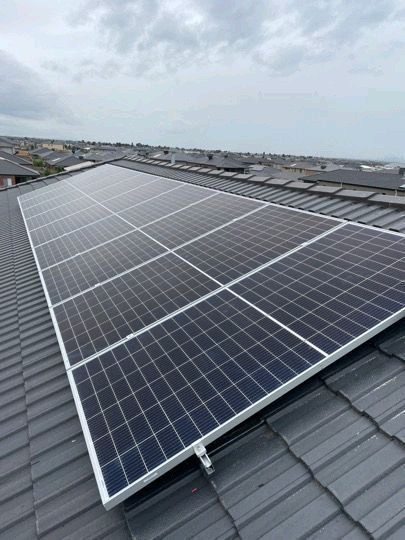
* Photovoltaic (PV) Panels: This is the most common method. When sunlight (photons) hits a solar panel, made of semiconductor materials like silicon, it excites electrons, creating an electric charge. This generates a direct current (DC) electricity, which is then converted into alternating current (AC) by an inverter for use in homes and businesses.
* Concentrating Solar-Thermal Power (CSP) Systems: These systems use mirrors to reflect and concentrate sunlight onto receivers. This concentrated sunlight creates heat, which can then be used to produce electricity (e.g., by boiling water to spin turbines) or stored for later use.
Types of Solar Energy Systems
Solar power systems are generally categorized into three main types:
* Grid-Tied Systems (On-Grid): These systems are connected to the public electricity grid. They allow you to use solar power during the day and draw electricity from the grid when your solar panels aren't producing enough (e.g., at night or on cloudy days). Excess energy generated can often be fed back into the grid, potentially earning you credits (net metering). This is often the most cost-effective option as it avoids the high cost of batteries.
* **Off-Grid Systems (Stand-Alone): Designed for remote locations without grid access, these systems are completely independent. They rely on batteries to store excess solar energy for use during periods of low sunlight. Off-grid systems offer complete energy independence but are generally more expensive due to the need for large battery banks and a backup generator.
* Hybrid Systems: These systems combine the benefits of both grid-tied and off-grid systems. They are connected to the grid but also have battery storage. This provides flexibility, allowing you to draw from solar, batteries, or the grid as needed, offering both energy independence and backup power.
Advantages of Solar Energy
* Renewable and Sustainable: Solar energy is an inexhaustible resource, as long as the sun shines.
* Reduced Electricity Bills: By generating your own power, you significantly lower or even eliminate your monthly electricity costs.
* Environmental Benefits: Solar power produces no harmful greenhouse gas emissions during operation, contributing to a cleaner environment and combating climate change.
* Low Maintenance: Solar panel systems typically require minimal maintenance after installation and have a long lifespan (25+ years).
* Energy Independence: Reduces reliance on the traditional power grid and protects against rising electricity prices.
* Increased Property Value: Homes with solar panels often see an increase in their market value.
* Diverse Applications: Can be used for various purposes, from powering homes and businesses to heating water, drying crops, and even transportation.
* Technological Advancements: Ongoing research and development are continually improving the efficiency and reducing the cost of solar technology.
Disadvantages of Solar Energy
* High Initial Cost: The upfront investment for purchasing and installing a solar system can be substantial, including panels, inverters, batteries (for off-grid/hybrid), and wiring.
* Intermittency/Weather Dependency: Solar panels rely on sunlight, so their efficiency decreases on cloudy or rainy days, and they cannot generate energy at night. Energy storage solutions (batteries) are needed for continuous power, adding to the cost.
* Space Requirements: Installing enough solar panels to meet energy needs can require a significant amount of space, either on rooftops or in open land.
* Manufacturing and Disposal Concerns: While clean in operation, the manufacturing process of solar panels can involve the use of hazardous materials and consume energy. Proper disposal of panels at the end of their lifespan is also an environmental consideration.
* Permitting Process: The process of obtaining permits for solar installation can sometimes be time-consuming.
Cost of Solar Energy Installation in Nigeria
The cost of solar energy installation in Nigeria varies widely depending on the system size, type (grid-tied, off-grid, hybrid), brand of components, and installation costs. As of July 2025, here are some general price ranges for solar power systems in Nigeria:
* Solar Panels (individual):
* Polycrystalline 100W: ₦30,000 – ₦55,500
* Mono Crystalline 250W: ₦74,500 – ₦78,000
* Mono Crystalline 400W: ₦102,000 – ₦106,000
* Mono Crystalline 500W: ₦126,500 – ₦130,000
* Full Solar Power Systems (including panels, inverter, batteries, installation):
* 1.5KVA Solar System: ₦700,000 – ₦1,850,000
* 2.5KVA Solar System: ₦1,450,000 – ₦1,940,000
* 4KVA Solar System: ₦1,950,000 – ₦3,400,000
* 5KVA Solar System: ₦3,700,000
* 6KVA Solar System (plus installation): ₦3,550,000 – ₦5,100,000
* 10KVA Solar System: ₦6,920,000
It's important to get quotes from multiple reputable solar installers to compare prices and system specifications tailored to your specific energy needs.
Solar Energy Applications
Solar energy has a vast array of applications across various sectors:
* Electricity Generation:
* Residential and Commercial: Powering homes, offices, and businesses (on-grid, off-grid, hybrid systems).
* Utility-Scale Solar Farms: Large-scale power plants that generate electricity for entire communities.
* Water Heating: Solar water heaters use the sun's energy to heat water for domestic or industrial use.
* Heating and Cooling Buildings: Passive solar design and active solar heating systems can warm buildings. Solar cooling systems are also emerging.
* Agriculture:
* Solar Water Pumps: For irrigation in remote areas.
* Solar Dryers: For drying agricultural products like fruits, vegetables, and grains.
* Greenhouse Heating: Providing necessary lighting and heating for optimal plant growth.
* Refrigeration: For preserving perishable goods.
* Transportation: Solar-powered vehicles (cars, buses, boats, aircraft) are being developed and used.
* Lighting: Solar streetlights, security lights, and indoor lighting.
* Water Distillation/Desalination: Converting saline or brackish water into potable water, particularly useful in arid regions.
* Remote Power: Powering telecommunication towers, remote sensors, and other off-grid infrastructure.
* Space Exploration: Satellites and spacecraft are often powered by solar energy.
Solar Energy in Nigeria
Nigeria, being situated in the high solar radiation belt, possesses immense solar energy potential. The country receives an average solar radiation of about 3.5 kWh/m$^{2}-day in coastal areas and up to 7.0 kWh/m^{2}$-day in the far north. This abundant resource makes solar energy a viable solution for addressing Nigeria's persistent electricity challenges and reducing reliance on fossil fuels and generators.
Key aspects of solar energy in Nigeria:
* High Potential: Nigeria's annual solar energy intensity is significant, with a conservative conversion efficiency, the available solar energy resource far exceeds the country's projected energy demand.
* Growing Adoption: There's a rising trend of solar panel installation among Nigerians, driven by the desire for reliable and sustainable power due to frequent grid outages and the high cost of fuel for generators.
* Government and Private Sector Initiatives: Various government agencies and private companies are involved in promoting and deploying solar energy technologies across the country, from individual household installations to larger-scale projects.
* Challenges: The primary challenge to widespread solar adoption in Nigeria remains the high upfront acquisition cost of solar systems, making them inaccessible for a large segment of the population, particularly low-income earners.
Overall, solar energy offers a promising path towards a more sustainable and energy-independent future for Nigeria and the world, despite the initial investment challenges. Continued innovation and supportive policies are crucial for its widespread adoption.


Comments